Heavy Equipment Rental in Rwanda: Complete Guide
Rwanda's construction and infrastructure sector has grown rapidly over the past decade, from district road upgrades to high-rise developments in Kigali. Behind almost every one of these projects is a simple decision that shapes the budget, timeline, and outcome of the job: whether to buy heavy machinery outright or rent it. For most contractors, developers, and organizations, heavy equipment rental in Rwanda has become the smarter, more flexible choice, and this guide breaks down everything you need to know before you book.
Whether you need an excavator for a foundation dig, a crane truck to lift steel beams, or a fleet of dump trucks to haul materials across a district road project, understanding how equipment rental works in Rwanda will save you time, money, and a lot of headaches on site.
What Is Heavy Equipment Rental?
Heavy equipment rental is the practice of hiring construction and industrial machinery such as excavators, cranes, dump trucks, and breakdown recovery vehicles for a defined period rather than purchasing it outright. Instead of tying up capital in a machine that might sit idle between projects, businesses pay only for the time they actually need it, with the equipment delivered to site, operated (often with a trained operator included), and collected once the job is done.
In Rwanda, this model has become especially important as the construction, mining, and infrastructure sectors expand across all 30 districts, from major projects in Kigali's Gasabo, Kicukiro, and Nyarugenge sectors to road and quarry work in Musanze, Rubavu, Huye, Rwamagana, and Rusizi.
Why Rent Instead of Buy?
For most businesses and especially small to mid-sized contractors, heavy equipment rental in Rwanda makes far more financial and operational sense than ownership. Here's why:
- Lower upfront cost. Heavy machinery like excavators and cranes can cost tens of millions of Rwandan francs to purchase. Renting turns that capital expense into a manageable operating cost.
- No maintenance burden. Rental companies are responsible for servicing, repairs, and keeping machines road- and site-worthy, so you're not stuck with mechanic bills or downtime.
- Access to the right machine for the job. Different projects need different equipment. Renting lets you match the machine to the task: a compact excavator for a small plot in Musanze, a heavy-duty dump truck for a district road contract without owning a fleet you'll rarely use in full.
- Flexibility for short-term or seasonal work. Many construction and agricultural projects are seasonal or one-off. Renting avoids the cost of storing and insuring equipment during the months it isn't needed.
- Reduced risk. If a rented machine breaks down, a reliable rental company will typically replace it quickly a risk you'd otherwise absorb entirely as an owner.
- Better cash flow for growing businesses. Contractors bidding on multiple jobs can scale their equipment use up or down as contracts come and go, without the fixed overhead of ownership.
Common Types of Heavy Equipment Available for Rent in Rwanda
Excavators
Excavators are the backbone of almost every construction project, used for digging foundations, trenching for drainage and utilities, clearing land, and loading heavy materials. They come in a range of sizes, from compact excavators suited to small residential plots to large machines built for major earthworks. Most rental providers in Rwanda offer excavators on flexible daily, weekly, or monthly terms, which is useful for projects where timelines can shift.
Trucks & Haulage
Heavy-duty trucks are essential for transporting construction materials, aggregates, equipment, and bulk cargo across a site or across the country. Dump trucks with hydraulic tipping systems are especially common on road and earthworks projects, where large volumes of soil, gravel, or debris need to be moved efficiently. Trucks are typically rented with a rated payload capacity and, depending on the provider, may include a driver.
Crane Trucks & Lifting Equipment
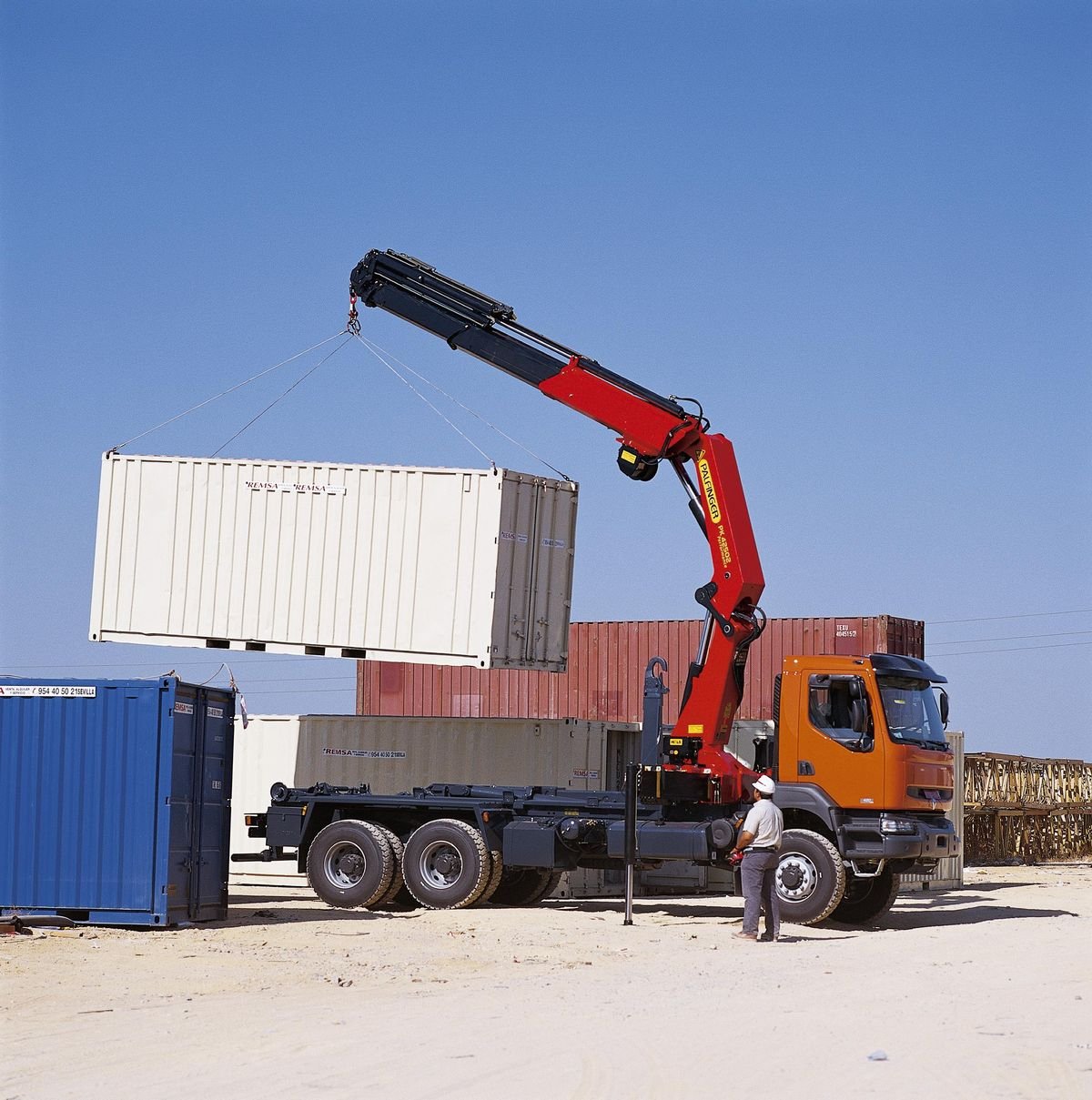
Cranes and crane trucks are used for lifting and positioning heavy materials steel beams, precast concrete, utility poles, transformers safely and precisely. For multi-story construction or industrial installation work, a crane truck can save days of manual labor and significantly reduce safety risk on site.
Breakdown & Recovery Vehicles
Breakdown trucks provide emergency vehicle recovery, roadside assistance, accident towing, and transport for non-operational vehicles. These are essential not just for construction fleets but for any business operating vehicles across Rwanda's road network, where a breakdown in a remote district can otherwise mean days of delay.
Pickup Trucks
For smaller logistics needs, moving tools, materials, or crew between sites, pickup trucks offer a lighter, more fuel-efficient option than full haulage trucks and are often rented alongside heavier machinery for day-to-day site support.
Industries That Rely on Heavy Equipment Rental in Rwanda
- Construction & real estate development foundation work, building construction, and site preparation in Kigali and secondary cities.
- Road & infrastructure projects: district and national road construction, drainage, and public works contracts.
- Mining & quarrying extraction, hauling, and site clearing in mineral-rich districts.
- Agriculture & land development: land clearing, irrigation trenching, and farm access road construction.
- Utilities & telecoms: pole installation, transformer placement, and cable trenching, often requiring crane trucks and excavators together.
- Logistics & general business haulage trucks and pickups for moving goods, equipment, or materials between sites.
How Pricing Works
Rental rates for heavy equipment in Rwanda are typically quoted as daily rates, though weekly and monthly terms are common for longer projects and usually come at a discounted rate compared to booking day-by-day. As a general guide:
- Pickup trucks and light haulage vehicles tend to be the most affordable daily rentals.
- Dump trucks and mid-sized haulage trucks fall into a mid-range daily rate, varying by payload capacity and engine size.
- Crane trucks are priced higher due to the specialized lifting capability and operator skill required.
- Excavators are generally the highest daily rate among common equipment categories, reflecting both machine value and the precision work they perform.
Exact rates vary depending on machine size, condition, rental duration, and district. It's always worth requesting a written quote and confirming what's included fuel, operator, delivery, and insurance can be priced separately by some providers.
What to Look for in a Rental Provider
Not all equipment rental companies are equal, and heavy machinery is not something to gamble on. Before booking, look for:
- Verified, inspected equipment. Ask whether machines are regularly serviced and inspected, and whether service records are available.
- Transparent pricing. A trustworthy provider quotes a clear rate upfront; what you're quoted should be what you're invoiced, with no surprise charges on delivery.
- Nationwide availability. If your project spans multiple districts, confirm the provider can deliver and support equipment outside Kigali.
- Written hire agreements. A proper contract protects both sides, covering rental period, liability, damage terms, and what happens if a machine breaks down.
- Fast, reliable support. Equipment failures happen. Look for a provider with responsive customer support who can replace or repair a machine quickly, ideally with someone reachable by phone or WhatsApp outside standard office hours.
- Operator availability. For specialized machinery like cranes and excavators, confirm whether a trained operator is included or needs to be arranged separately.
How the Rental Process Typically Works
- Search for the right equipment. Filter by machine type, district, and the dates you need it, to see what's genuinely available rather than just listed.
- Compare and book. Review rates and specifications from different equipment owners, then confirm your booking.
- Delivery to site. The machine along with its operator (where applicable) and paperwork, is delivered to your location on the agreed date.
- Work, extend, or swap. Track your usage, and extend, swap, or release the equipment with a single call if your project timeline or scope changes.
Working with a platform that connects you to multiple verified equipment owners, rather than a single supplier, generally gives you more flexibility you can compare machines and pricing rather than being locked into whatever one company happens to have available.
Tips for a Smooth Rental Experience
- Book early for peak construction season. Demand for excavators and trucks rises during the dry season when most groundwork and road projects are scheduled.
- Match the machine to the job precisely. An undersized excavator will slow your project down; an oversized one wastes money. Ask the provider for guidance if you're unsure.
- Confirm delivery timelines, especially for projects outside Kigali, where transport of heavy machinery can take longer.
- Clarify who operates the machine. For excavators and cranes especially, confirm whether a qualified operator is included in the rate.
- Ask about breakdown support. A machine failure mid-project can be costly in downtime; confirm how quickly a replacement or repair would arrive.
- Get everything in writing. A written agreement covering cost, duration, liability, and condition on return protects you if any disputes arise.
- Plan for fuel and site access. Confirm whether fuel is included in the rate, and make sure your site can accommodate delivery of large machinery (access roads, gate width, ground conditions).
Renting Heavy Equipment Across Rwanda's Districts
One of the advantages of working with an established equipment rental platform is nationwide reach. Whether your project is based in Kigali's Gasabo, Kicukiro, or Nyarugenge districts, or further afield in Musanze, Rubavu, Huye, Rwamagana, or Rusizi, you should be able to access the same standard of verified equipment and support without having to source machinery locally in every district you operate in.
Final Thoughts
As Rwanda's construction, infrastructure, and industrial sectors continue to grow, heavy equipment rental in Rwanda offers contractors, developers, and organizations a faster, more affordable, and lower-risk way to access the machinery they need without the burden of ownership. From excavators and crane trucks to haulage and breakdown recovery vehicles, choosing a verified, transparent rental provider with nationwide coverage can make the difference between a project that runs smoothly and one that stalls waiting on the wrong machine.
Ready to find the right equipment for your next project? Browse available equipment or get a free quote from Kalisimbi Rentals Rwanda's trusted machinery rental marketplace, connecting you with verified equipment owners across all 30 districts.