Construction Equipment Rental in Rwanda: Complete Guide
From foundation work on a Kigali apartment block to earthworks on a district road contract, every construction project in Rwanda depends on having the right machinery on site at the right time. Buying that machinery outright is rarely practical for most contractors, which is why construction equipment rental in Rwanda has become the standard way to get projects moving without tying up capital in machines that may sit idle once the job is done.
This guide walks through the equipment types, costs, and practical considerations contractors, developers, and project managers need to know before renting construction machinery in Rwanda.
What Counts as Construction Equipment?
Construction equipment covers the machinery used across every stage of a build, from clearing and excavating land, to moving materials, to lifting and placing heavy structural components. In Rwanda, the most commonly rented categories include:
- Excavators for digging foundations, trenching, land clearing, and loading materials.
- Trucks & haulage vehicles for transporting soil, aggregate, building materials, and equipment to and from site.
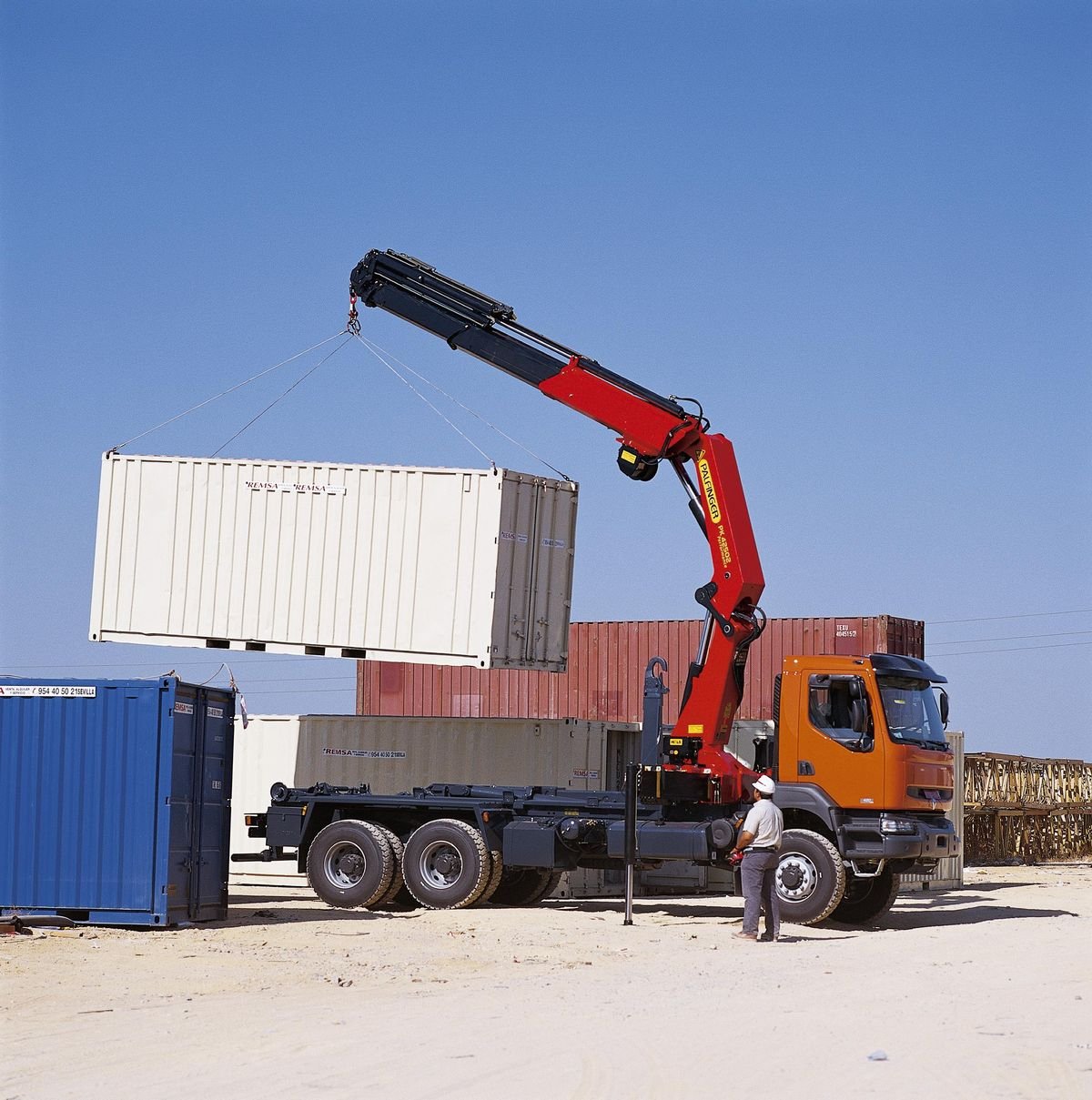
- Crane trucks for lifting and positioning steel, precast concrete, and other heavy structural elements.
- Breakdown and recovery vehicles for towing and recovering non-operational vehicles or machinery from site.
- Pickup trucks for moving tools, crew, and smaller loads between site locations.
Each category plays a different role across a project's timeline, and most construction jobs will need several types of equipment at different stages rather than just one machine for the whole build.
Why Contractors Rent Rather Than Buy
Construction projects in Rwanda vary enormously in scale and duration; a small residential build in Musanze looks nothing like a multi-phase road contract in Rwamagana. Renting equipment lets contractors match machinery to the actual demands of each project rather than committing to a fixed fleet. Key advantages include:
- Matching equipment to project phase. Early-stage excavation, mid-project haulage, and late-stage lifting all need different machines; renting lets you bring in exactly what's needed, when it's needed, rather than owning equipment that sits unused between phases.
- Protecting cash flow. Renting converts a large capital outlay into a predictable operating cost, which is especially important for contractors managing multiple simultaneous projects or working to a fixed contract budget.
- No maintenance or storage overhead. Servicing, repairs, and storage between jobs are the rental provider's responsibility, not yours.
- Scaling with contract wins. As new contracts are secured, equipment can be added; as projects wrap up, it can be released without the fixed cost of ownership sitting on the books either way.
- Access to newer, better-maintained machines. Rental fleets are often updated and serviced more consistently than equipment owned and self-maintained by a single contractor over many years.
Choosing the Right Equipment for Your Project
| Project Stage Typical Equipment Needed Purpose | ||
| Site clearing & excavation | Excavator | Clearing land, digging foundations, trenching for utilities |
| Material transport | Dump trucks, haulage trucks | Moving soil, aggregate, and construction materials |
| Structural lifting | Crane truck | Placing steel beams, precast panels, utility poles |
| Site logistics | Pickup trucks | Moving tools, crew, and smaller materials |
| Vehicle & equipment recovery | Breakdown/recovery vehicles | Towing broken-down machinery or vehicles off site |
Matching the right machine to the right stage avoids two common and costly mistakes: renting equipment too small for the job (which slows progress and increases labor costs) or renting oversized machinery that adds unnecessary expense.
Understanding Rental Costs
Construction equipment in Rwanda is typically rented on a daily, weekly, or monthly basis, with longer-term rentals generally offering a better effective daily rate. A few cost factors to plan around:
- Machine size and capacity: larger excavators and higher-payload trucks cost more per day than compact or lighter equipment.
- Operator inclusion: specialized machinery like excavators and crane trucks is often rented with a trained operator included; confirm whether this is bundled into the quoted rate.
- Fuel: some providers include fuel in the rate, others charge it separately; always confirm before booking.
- Delivery distance: equipment delivered outside Kigali to districts like Musanze, Rubavu, Huye, Rwamagana, or Rusizi may carry a transport cost depending on distance.
- Duration discounts: weekly and monthly rentals typically reduce the effective daily cost, which matters for multi-phase projects with longer timelines.
Always request a written quote that clearly separates the machine rate from any additional charges, so there are no surprises once the equipment is on site.
What to Check Before Signing a Rental Agreement
Construction equipment represents a significant investment even when rented, and a poorly chosen provider can cost a project real time and money. Before committing, confirm:
- Inspection and service history. Ask whether the machine has been recently serviced and inspected, and whether records are available.
- A written hire agreement. This should cover the rental period, liability for damage, breakdown procedures, and total cost, protecting both you and the equipment owner.
- Replacement policy. Ask what happens if the machine breaks down mid-project how quickly a replacement or repair can be arranged.
- Operator qualifications. For excavators and crane trucks especially, confirm the operator is properly trained and experienced with that specific machine type.
- Insurance coverage. Understand what's covered if the machine is damaged, and what your liability would be.
- District coverage. If your project isn't based in Kigali, confirm the provider can deliver, service, and support equipment in your district.
Safety Considerations on Site
Heavy construction machinery carries real risk if not handled properly. A few practical safety measures worth confirming with your rental provider:
- Ensure operators are qualified specifically for the machine being used; an excavator operator is not automatically qualified to run a crane truck.
- Confirm the machine has passed a recent safety inspection, particularly for lifting equipment like cranes.
- Make sure site access (road width, ground stability, overhead clearance) has been assessed before a large machine is delivered.
- Establish clear communication between site supervisors and equipment operators, especially for lifting operations near other workers.
The Rental Process, Step by Step
- Identify what your project needs, stage by stage, rather than renting everything upfront.
- Search and compare available machines by type, district, and rental dates.
- Review specifications and rates from verified equipment owners before booking.
- Confirm delivery: the machine, operator (if applicable), and paperwork should arrive on the agreed date.
- Track usage and adjust, extend, swap, or release equipment as the project timeline shifts.
Working through a platform that connects you with multiple verified equipment owners rather than a single supplier generally gives contractors more flexibility to compare pricing and availability across a project's full lifecycle.
Final Thoughts
Whether you're managing a single residential build or coordinating machinery across several active sites, construction equipment rental in Rwanda gives contractors the flexibility to scale up or down without the financial and operational burden of ownership. Choosing a provider with verified, inspected equipment, transparent pricing, and nationwide coverage across Rwanda's districts is the key to keeping a project on schedule and on budget.
Ready to equip your next project? Browse available construction equipment or request a free quote from Kalisimbi Rentals, connecting contractors across Rwanda with verified, ready-to-work machinery.