Rwanda's road network has expanded dramatically over the past two decades, connecting rural communities to markets, linking cities like Kigali, Musanze, Huye, and Rubavu, and supporting the country's ambition to become a regional logistics and trade hub. Behind every kilometer of new or upgraded road is a carefully coordinated fleet of heavy equipment, each machine playing a specific role in turning raw earth into a durable, well-engineered surface.
For construction companies bidding on road projects in Rwanda, whether government-funded infrastructure works or private access roads, understanding which equipment is needed at each phase is essential for accurate budgeting, realistic timelines, and safe execution. This guide walks through the best heavy equipment for road construction in Rwanda and what to consider when planning your equipment strategy.
1. Excavators: The Foundation of Every Road Project
Excavators are typically the first heavy machines on site. They're used for:
- Clearing vegetation and topsoil
- Digging drainage channels and culverts
- Trenching for utilities that run alongside or under the road
- Loading trucks with excavated material
In Rwanda's hilly terrain, excavators with strong digging force and stable tracked undercarriages are especially valuable, as many road projects involve significant earthworks on sloped ground.
2. Bulldozers: Shaping the Terrain
Once initial clearing is complete, bulldozers take over to push, spread, and rough-grade large volumes of earth. Their blade allows contractors to:
- Cut through embankments and hillsides
- Push excavated material into position for compaction
- Create the initial road profile before finer grading begins
On Rwanda's mountainous routes, bulldozers with strong horsepower-to-weight ratios help maintain productivity even on steep gradients.
3. Motor Graders: Precision Surface Shaping
Motor graders are essential for achieving the smooth, correctly cambered road surface required for proper water drainage and vehicle safety. They're used to:
- Fine-grade the sub-base and base layers
- Shape road camber and shoulders
- Maintain gravel roads during and after construction
A skilled grader operator can significantly reduce the amount of surfacing material needed by achieving accurate grades on the first pass.
4. Compactors and Rollers: Building Long-Term Durability
Without proper compaction, even the best-engineered road will deteriorate quickly under Rwanda's seasonal rains and heavy vehicle loads. Compaction equipment includes:
- Vibratory rollers for compacting granular sub-base and base layers
- Smooth drum rollers for asphalt surface compaction
- Pneumatic tire rollers for sealing and finishing asphalt layers
Choosing the right roller type and ensuring adequate passes per layer is one of the most important and most often underestimated factors in road longevity.
5. Asphalt Pavers and Concrete Equipment
For paved roads, asphalt pavers lay and pre-compact the asphalt mix in a consistent, even layer, which is then finished with rollers. For concrete roads, batching plants, concrete mixers, and slipform pavers are used to place and finish rigid pavement.
Given Rwanda's growing network of paved urban and inter-district roads, access to well-maintained paving equipment and operators experienced with asphalt temperature and compaction timing is critical to surface quality.
6. Dump Trucks: Keeping Materials Moving
Road construction depends on the constant, efficient movement of materials: excavated earth, gravel, aggregate, and asphalt. Dump trucks, matched to load size and site access, keep the operation moving without bottlenecks at the excavation or paving front.
7. Water Tankers: Managing Dust and Compaction Moisture
Water tankers serve two critical purposes on Rwandan road sites: controlling dust for worker safety and site relations with nearby communities, and providing the correct moisture content for effective soil and base compaction.
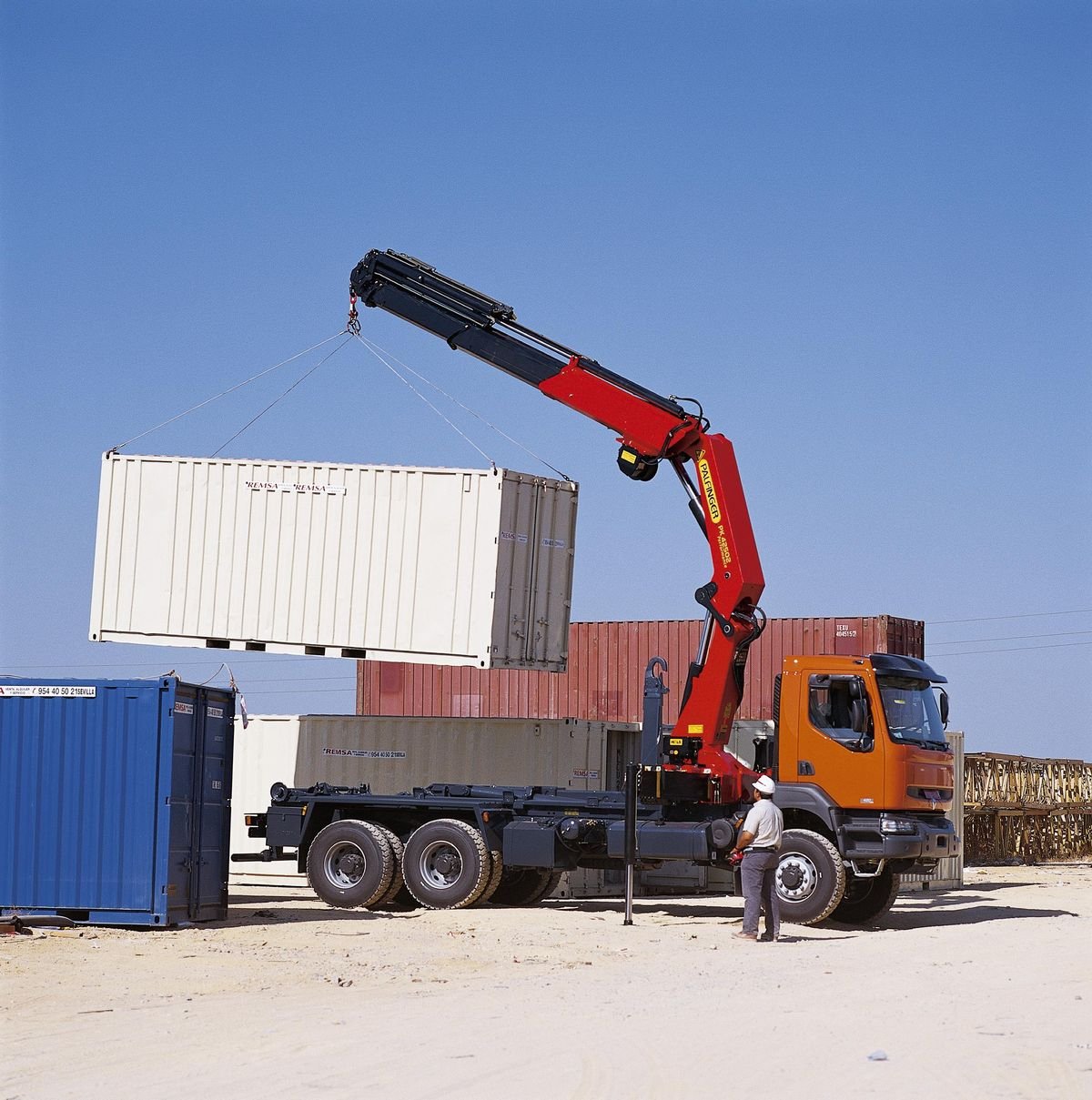
8. Crane Trucks: Handling Culverts, Bridges, and Structures
Where roads cross rivers, valleys, or require box culverts and retaining structures, crane trucks lift and position precast concrete elements, steel reinforcement cages, and drainage structures safely and precisely.
Choosing the Right Equipment Mix for Your Project
Every road project in Rwanda has a different equipment profile depending on:
- Terrain: hilly regions require more powerful earthmoving equipment and careful grading
- Road classification: gravel feeder roads vs. paved district or national roads
- Project scale and timeline: larger contracts justify larger, more specialized fleets
- Access to maintenance and fuel support: remote sites need equipment with reliable uptime and support
Getting this mix right from the planning stage prevents costly delays from under-resourced sites or over-investment in machinery that sits idle.
Renting vs. Owning Heavy Equipment for Road Projects
Many construction companies in Rwanda choose to rent heavy equipment rather than purchase it outright, particularly for project-based road contracts. Renting offers:
- Access to a wider range of specialized machines without heavy capital investment
- Reduced maintenance and depreciation costs
- Flexibility to scale equipment up or down as project phases change
- Faster mobilization when project timelines are tight
This approach allows contractors to match equipment precisely to project requirements rather than being limited to what they already own.
Supporting Logistics: Getting People and Equipment to Site
Beyond heavy machinery, road projects also depend on reliable transport for site supervisors, engineers, and project teams moving between Kigali and remote project sites. For construction companies coordinating multi-site road projects, partnering with a dependable local transport and vehicle rental provider such as Kigali Rent Car can simplify staff logistics, site inspections, and client visits throughout the project lifecycle. Having a reliable car rental service in Kigali on hand also helps teams respond quickly when unplanned site visits or material sourcing trips come up mid-project.
Final Thoughts
Building durable, safe roads in Rwanda requires more than a single machine it takes a coordinated fleet of excavators, bulldozers, graders, compactors, pavers, and support vehicles, each doing its part at the right stage of the project. For construction companies, the smartest strategy is often a combination of owned core equipment and flexible rental access to specialized machinery as project needs evolve.
If you're planning a road construction project in Rwanda and need reliable heavy equipment rental, Karisimbi Rental can help you assemble the right fleet for your terrain, timeline, and budget.