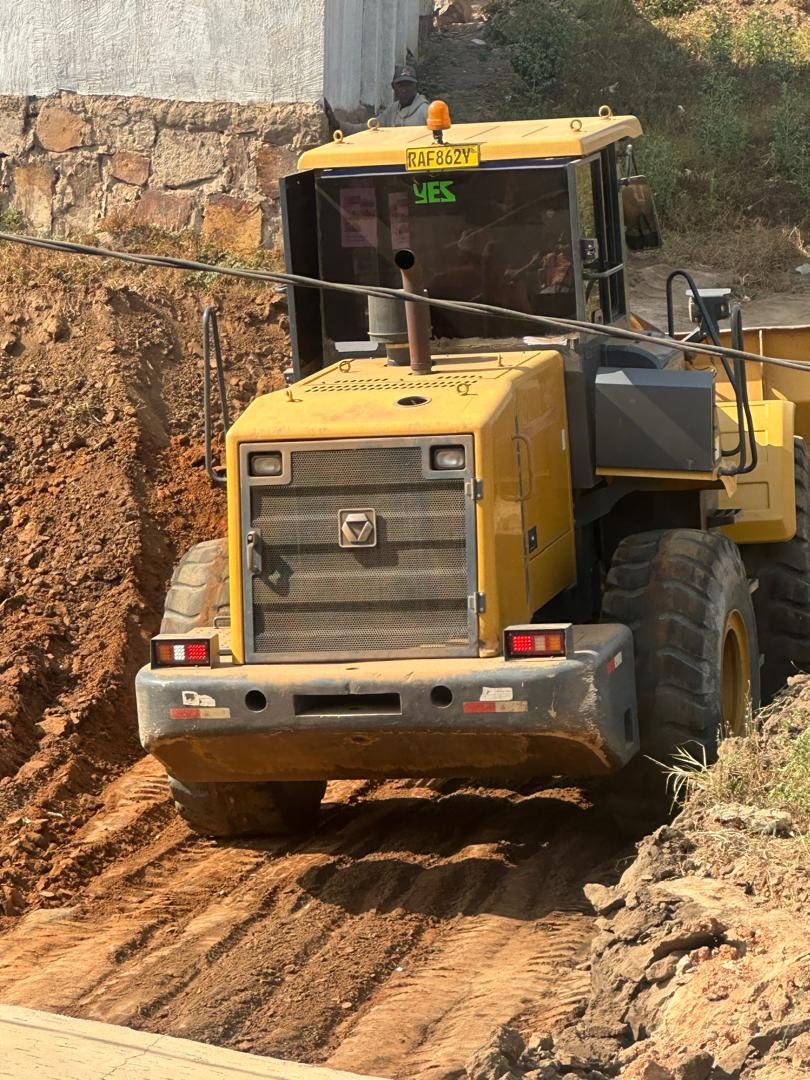
Construction projects require the right equipment to be completed safely, efficiently, and on schedule. Whether you are building a residential property, developing commercial infrastructure, constructing roads, transporting materials, or carrying out excavation work, having access to reliable machinery can make a major difference.
However, purchasing heavy equipment is not always the best solution. The cost of buying, maintaining, storing, insuring, and operating machinery can place a significant financial burden on contractors, developers, businesses, and individual project owners.
That is why equipment rental in Rwanda is becoming an increasingly practical solution for construction and infrastructure projects. Instead of investing large amounts of capital in machinery that may only be needed for a limited period, businesses can rent the equipment they need for a specific project or for a set duration.
At Kalisimbi Rental, customers can browse a range of equipment for construction, earthmoving, lifting, haulage, recovery, and other operational needs. The platform connects contractors, businesses, organizations, and individuals with available equipment across Rwanda.
This guide explains the benefits of renting construction equipment, the types of machinery available, how to choose the right equipment, and the important factors to consider before making a booking.
Why Rent Construction Equipment Instead of Buying?
Buying heavy machinery can be a major investment. While ownership may make sense for companies that use a particular machine continuously, renting is often more flexible for project-based work.
1. Lower Upfront Costs
Heavy equipment such as excavators, dump trucks, cranes, and other construction machinery can require significant capital investment.
Renting allows a contractor or project owner to access the equipment needed without paying the full purchase price. This can free up capital for other important areas of the project, including:
- Labour
- Construction materials
- Land development
- Transportation
- Project management
- Safety requirements
- Site preparation
For short-term or occasional projects, renting can be a more practical way to manage project costs.
2. Access the Right Machine for Each Project
Different projects require different types of equipment.
For example, an excavator suitable for digging foundations may not be the right machine for transporting sand or gravel. A project involving the movement of heavy materials may require a dump truck, while lifting structural materials may require a crane.
Equipment rental gives you the flexibility to choose machinery based on the specific requirements of each project.
3. Flexible Rental Periods
Construction projects do not always have the same duration. Some equipment may only be required for a few days, while others may be needed for several weeks or months.
Kalisimbi Rental offers flexible rental arrangements depending on the equipment and project requirements, including daily, weekly, and monthly options on listed equipment.
This flexibility can help contractors avoid paying for machinery that is no longer needed after a particular stage of construction is complete.
4. Reduced Maintenance Responsibility
Owning heavy equipment involves more than simply purchasing the machine. Equipment owners must also manage maintenance, inspections, repairs, storage, and other operational responsibilities.
When renting, the rental arrangement can simplify access to equipment for a specific project. Before booking, however, it is important to clearly understand what is included in the rental agreement and who is responsible for items such as fuel, transport, maintenance, operators, and insurance.
Types of Equipment Available for Construction Projects
The type of equipment you need depends on the nature and scale of your project.
Excavators
Excavators are among the most versatile machines used in construction. They are commonly used for:
- Excavating foundations
- Digging trenches
- Land clearing
- Drainage work
- Loading materials
- Earthmoving
- Demolition work
When selecting an excavator, consider the size of the project, available working space, soil conditions, digging requirements, and the amount of material that needs to be moved.
Kalisimbi Rental lists excavators for short-term and long-term rental, with machines intended for tasks such as foundation excavation, drainage work, land clearing, and loading heavy materials.
Internal link suggestion: Link the words Excavator Rental in Rwanda to your excavator category or equipment listing page.
Dump Trucks and Haulage Trucks
Construction projects often involve transporting large quantities of materials. Dump trucks are commonly used for moving:
- Sand
- Gravel
- Stones
- Aggregates
- Soil
- Excavated materials
- Construction waste
A dump truck with a hydraulic tipping system can improve efficiency when materials need to be unloaded quickly.
For example, Kalisimbi Rental currently lists equipment including the Howo TX Truck Dumper and the SINOTRUK HOWO NX 371HP Dump Truck for construction and heavy-duty haulage requirements.
Internal link suggestion: Link to your Trucks & Haulage category.
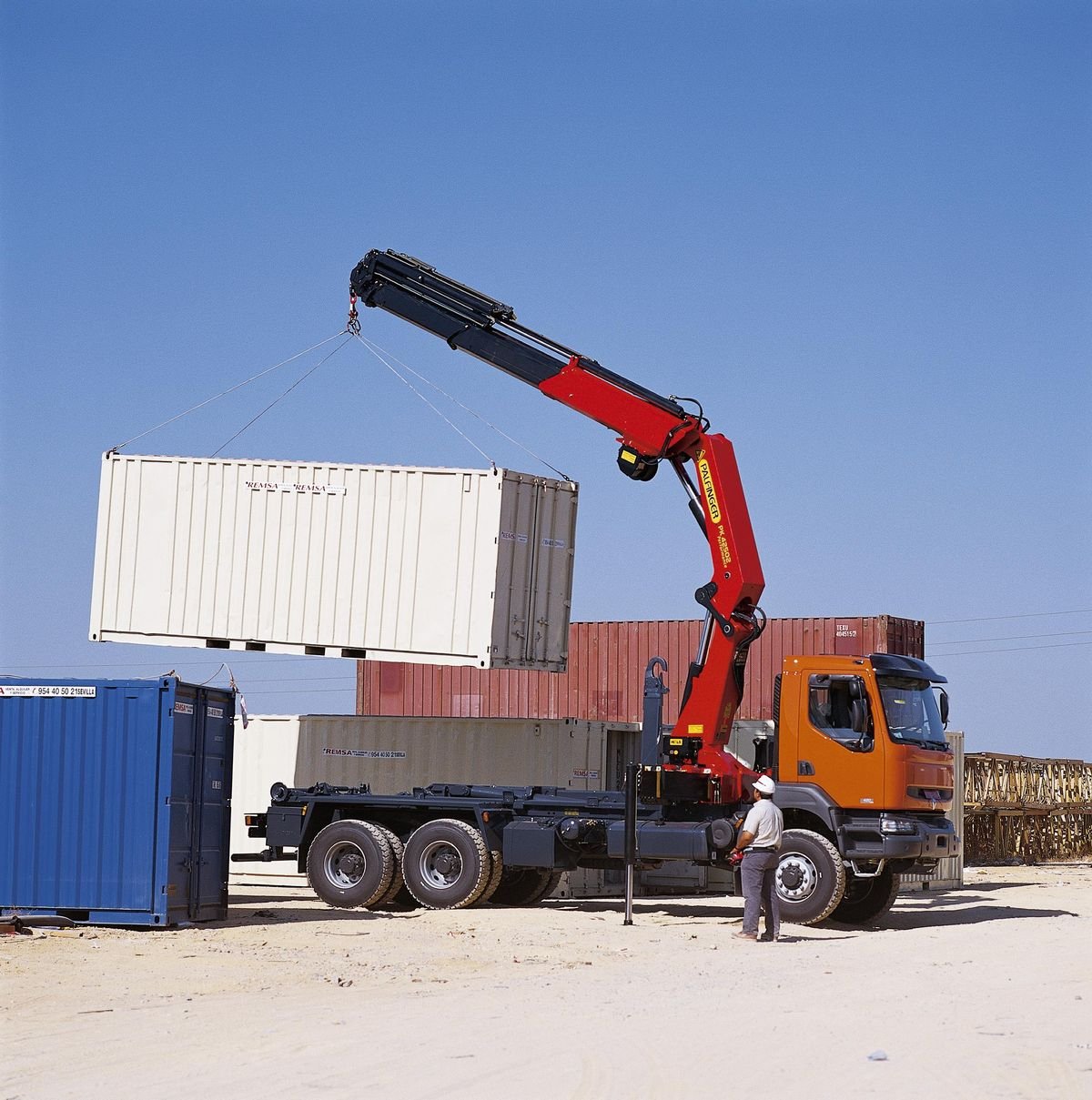
Cranes and Crane Trucks
Cranes are used when a project requires lifting or moving heavy materials that cannot be handled safely by manual labour or smaller machinery.
Depending on the equipment and project, crane services can support activities such as:
- Lifting construction materials
- Moving industrial equipment
- Steel structure installation
- Utility infrastructure work
- Loading and unloading heavy machinery
A crane truck can combine lifting capability with transportation, making it useful for projects that require both services. Kalisimbi Rental lists crane trucks for lifting and transporting construction and industrial materials.
Before renting a crane, always consider:
- Required lifting capacity
- Weight of the load
- Height of the lift
- Working radius
- Ground conditions
- Available site space
Pickup Trucks and Commercial Vehicles
Not every project requires extremely heavy machinery. Pickup trucks and commercial transport vehicles can be useful for:
- Moving workers and equipment
- Transporting smaller construction materials
- Site inspections
- Delivering tools and supplies
- Supporting logistics operations
The right vehicle depends on the load capacity, distance, road conditions, and nature of the work.
Breakdown and Recovery Vehicles
Construction and transport operations can sometimes involve vehicle breakdowns or the movement of non-operational vehicles.
Recovery equipment can support:
- Roadside vehicle recovery
- Accident recovery
- Towing
- Vehicle relocation
- Transporting non-operational vehicles
Kalisimbi Rental includes breakdown and recovery vehicles among its listed equipment categories.
How to Choose the Right Equipment for Your Project
Choosing the wrong machine can lead to unnecessary costs, delays, and operational challenges. Before renting equipment, consider the following factors.
1. Understand Your Project Requirements
Start by defining exactly what the equipment needs to do.
Ask yourself:
- What work needs to be completed?
- How much material needs to be moved?
- How long will the equipment be required?
- What is the size of the project?
- Are there space limitations on the construction site?
For example, a small urban construction site may require different machinery from a large road or infrastructure project.
2. Consider Equipment Capacity
Capacity is one of the most important factors when renting heavy equipment.
A machine that is too small may take longer to complete the work. On the other hand, renting equipment that is significantly larger than necessary may increase costs unnecessarily.
For trucks, consider:
- Payload requirements
- Type of material
- Transport distance
- Road conditions
- Number of trips required
For lifting equipment, consider:
- Weight of the load
- Required lifting height
- Working radius
- Site conditions
For excavators, consider:
- Required digging depth
- Bucket capacity
- Ground conditions
- Working area
3. Check the Site Conditions
The construction site itself can affect your equipment choice.
Important factors include:
- Terrain
- Ground stability
- Available access roads
- Site size
- Slope
- Weather conditions
- Distance from the equipment provider
A large machine may not be suitable for a site with narrow access or limited working space.
4. Decide How Long You Need the Equipment
Estimate the expected duration of the project or the specific phase requiring machinery.
Depending on the equipment and booking terms, you may require:
- Daily rental
- Weekly rental
- Monthly rental
- A custom project-based arrangement
Planning the duration carefully can help you select the most suitable rental arrangement.
Factors That Affect Equipment Rental Costs in Rwanda
The cost of equipment rental can vary depending on several factors.
Type of Equipment
Larger and more specialised machines generally have different rental costs from smaller equipment or standard commercial vehicles.
For example, an excavator, crane, and heavy-duty dump truck each serve different operational purposes and have different operating requirements.
Rental Duration
The length of the rental period can affect the overall price.
A project requiring equipment for one day may have a different pricing structure from a long-term project requiring machinery for several weeks or months.
Equipment Capacity and Specifications
More powerful or specialised equipment may have different rates depending on factors such as:
- Engine power
- Payload capacity
- Lifting capacity
- Machine size
- Attachments
- Technology and features
For example, the equipment currently displayed on Kalisimbi Rental includes indicative daily rates for various machines, while final pricing and availability may depend on the booking requirements.
Delivery and Mobilisation
Transporting heavy equipment to a project site may affect the total cost.
It is important to discuss:
- Delivery location
- Mobilisation requirements
- Return transport
- Site accessibility
- Delivery schedule
Kalisimbi Rental states that delivery timing can vary between Kigali and locations outside Kigali depending on mobilisation distance and equipment availability.